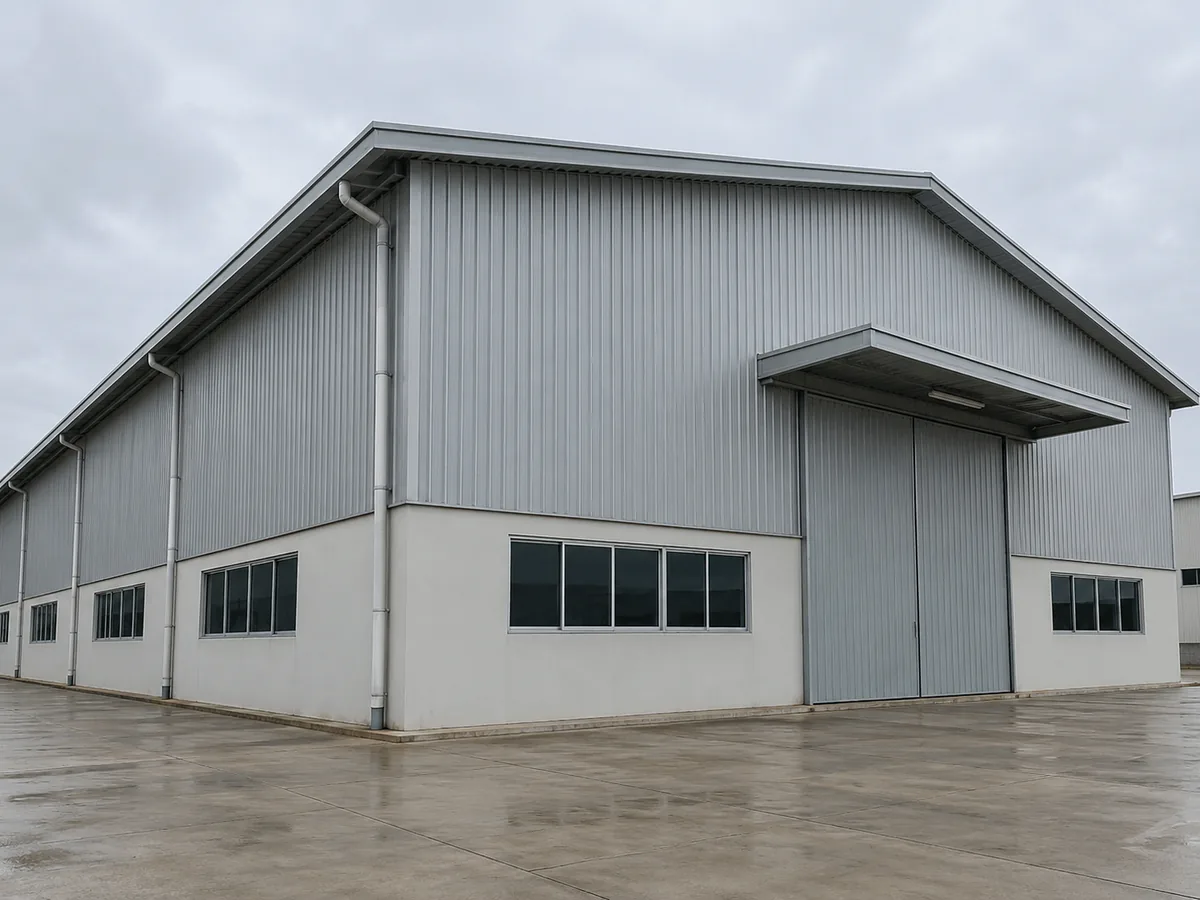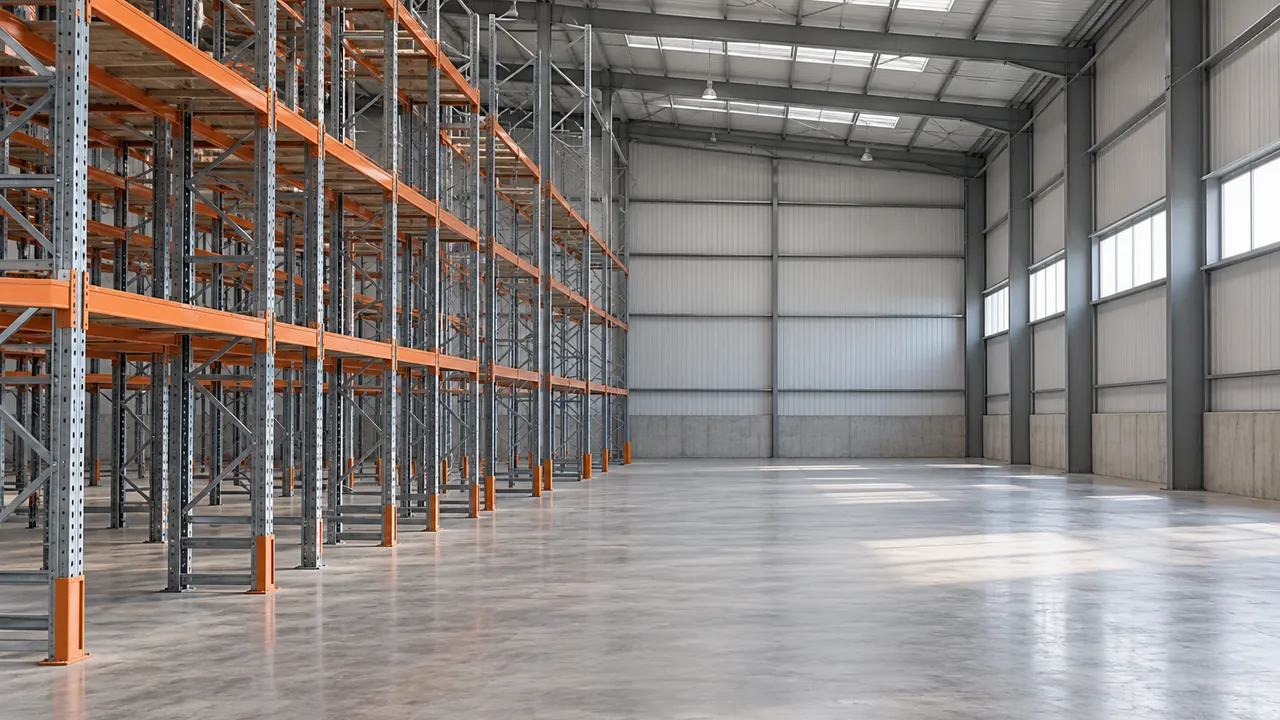
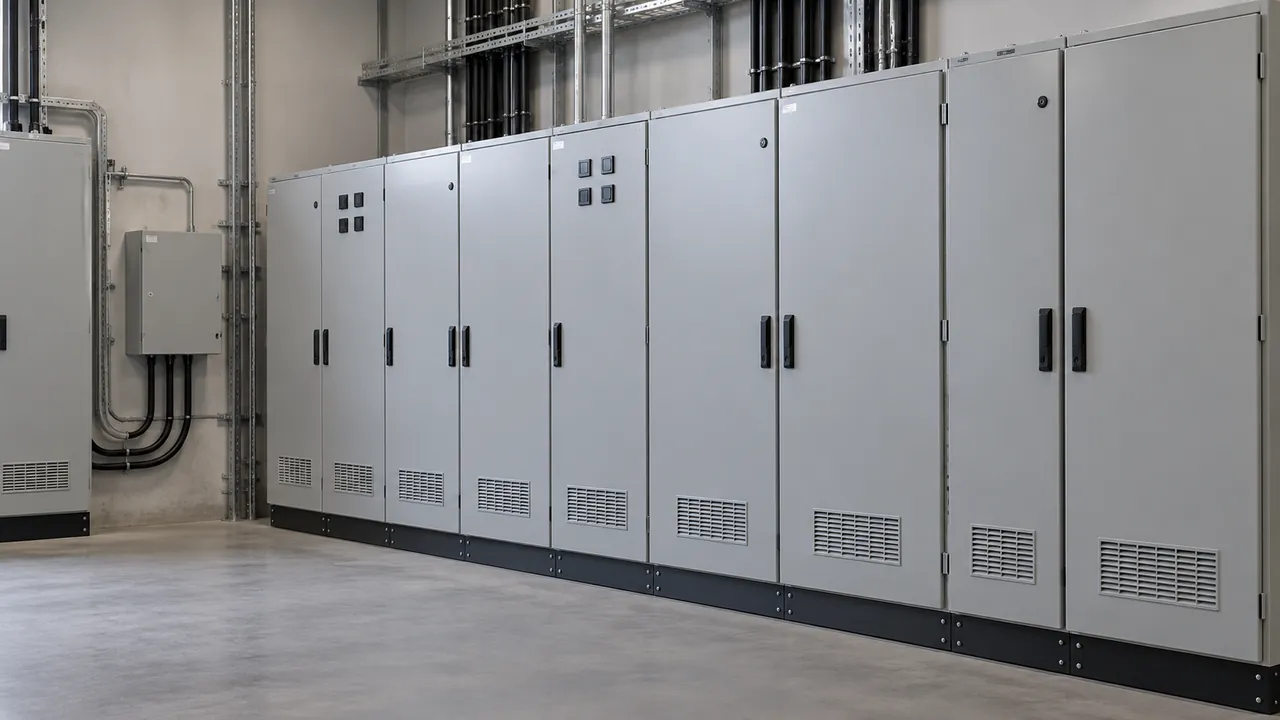
Two factories can have the same supply voltage and very different abilities to support your equipment. That is why a property listing mentioning “three-phase power” should start a technical conversation, not end it. Before deciding a building is suitable, connect the advertised specification to your actual operating load and documented installation.
Before you start
- This guide concerns TNB-served premises in Peninsular Malaysia; confirm other supply areas with the relevant utility and regulator.
- Prepare an equipment schedule and request documented supply and installation information.
- Have an appropriately qualified electrical professional assess suitability; this guide does not certify capacity.
Separate the main terms
Voltage, expressed in volts or kilovolts, describes the electrical potential difference. Phase describes the supply configuration. Neither figure, on its own, tells you the usable power available to your business.
Current is expressed in amperes. Power demand may be expressed in kilowatts or kilovolt-amperes, which are related but not interchangeable. Energy consumption, normally recorded in kilowatt-hours, measures use over time rather than instantaneous capacity.
A switchboard rating is also not automatically the utility-approved capacity or the remaining capacity available for new machines. The supply arrangement, protective settings, cables, existing loads and condition of the installation all need to be considered together.
Prepare an equipment schedule
List each machine and its manufacturer’s electrical requirements. Include production equipment, compressors, extraction, cooling, lighting, office systems and charging equipment. Identify which loads run together, which start intermittently and which may be added later.
Do not simply add nameplate figures and assume the result is the required utility supply. Ask an appropriately qualified electrical professional to assess operating patterns, starting loads, power factor and the practical design allowance for expansion. Sensitive processes may also need a separate discussion about power quality and continuity.
Ask for evidence from the property
Request the available supply documentation, electrical drawings, inspection or testing records, and details of the existing equipment. With the account holder’s permission, relevant bills and demand history can help explain how the previous operation used electricity.
Historical consumption is useful context, not proof that your operation will fit. A former occupier may have run fewer machines, worked different shifts or left substantial equipment unused. Likewise, a photograph of a main switch does not replace an installation assessment.
Have an authorised professional inspect the system. Do not open electrical panels or operate unfamiliar switchgear during a viewing. The Energy Commission provides information about competent-person categories and a directory for checking registered professionals.
References: Electrical competent-person categories and registrationRegistered electrical professionals and licensees directory
Treat an upgrade as a separate project
TNB’s connection guidance ties supply schemes to declared demand and relevant system considerations. An upgrade should therefore be verified with TNB and the appropriate electrical professional, rather than assumed because a substation is nearby.
Ask what works, submissions, access and installation space may be needed. Obtain a realistic programme and clarify which costs belong to the owner and which to the incoming occupier. TNB notes that new or upgraded supply infrastructure can involve connection charges.
References: TNB connection guidelinesTNB connection-charge guidance
Make the decision on verified information
Before committing, seek a written assessment connecting your equipment schedule to the property’s verified supply and installation. Identify unresolved utility approvals, works and commissioning dependencies. If an upgrade is essential, have your advisers address that dependency in the transaction documents.
The useful question is not “Does it have three-phase power?” It is “Can this documented installation safely support our intended operation, and what must happen before it can?” This article explains the questions to ask; it is not an electrical design or capacity certification.
Sources and scope
This guide focuses on TNB-served premises in Peninsular Malaysia. For other supply areas, confirm arrangements with the relevant utility and regulator. No advertised amperage, supply threshold, tariff, upgrade price or lead time is asserted. Actual supply and machinery suitability require case-specific professional verification.
- Electrical competent-person categories and registration
Energy Commission (Suruhanjaya Tenaga)
- Registered electrical professionals and licensees directory
Energy Commission (Suruhanjaya Tenaga)
- TNB connection guidelines
Tenaga Nasional Berhad
- TNB connection-charge guidance
Tenaga Nasional Berhad
Source review date: . This is separate from the publication date.
Looking for space that fits your operation?
Put your requirements in one place before arranging your next viewing.
Prepare your property brief